Beyond the Code: My AI Journey
Behind The ScenesWe have seen the use of AI in almost every aspect of our lives. From improving problem solving at work to even assisting us in our daily life, we have used this technology one way or another.
For this month of September, we’ve invited one of RJPH’s AI experts, Senior Systems Engineer Julz Hubilla! As one of our developers involved in using AI tech, he shares in this blog how AI has reshaped the way he works, as well as how it could meaningfully improve one’s life.
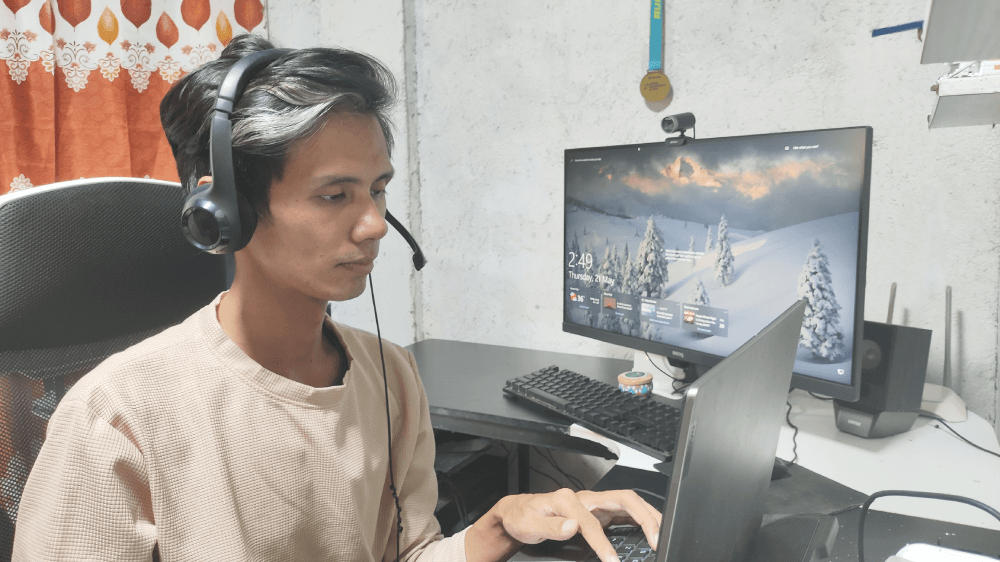
Stepping Foot onto a New Frontier

Human Resources
Employee Relations
How long have you been working for RareJob Philippines, Inc.?

Julz Hubilla
Senior Systems Engineer - I
I’ve been working with RareJob Philippines, Inc. for almost three years, and I’ll be reaching my third year this October. During that time, I’ve had the opportunity to take on different responsibilities, work with people from different backgrounds, and grow significantly both as a developer and as a professional.
Human Resources
Employee Relations
As someone who started working in development as AI started to boom, how did you view this new technology?
Julz Hubilla
Senior Systems Engineer - I
When AI started gaining momentum, I saw it as an exciting tool that could make development more efficient, although I was initially cautious about relying on it too much. My first experiences involved using it to understand unfamiliar code, troubleshoot errors, and explore different approaches to development problems. As I used it more, I realized that its value comes not from replacing a developer’s thinking, but from helping us think through problems faster and explore possibilities we might not have considered. Today, I see AI as an important part of modern development, while still believing that developers need to understand and take responsibility for the solutions they build.
Human Resources
Employee Relations
How did you start learning about AI and its uses in development?
Julz Hubilla
Senior Systems Engineer - I
I started learning about AI by exploring how it could be applied to everyday development tasks, such as code assistance, debugging, documentation, testing, and problem-solving. At first, I was more interested in what AI could do, but as I experimented with it, I became increasingly curious about how these systems worked and why they sometimes produced inaccurate or unexpected results. That led me to learn more about AI concepts and its limitations, rather than simply treating it as a tool that always gives the right answer. This hands-on approach helped me understand where AI can genuinely add value to development and where human judgment is still essential.
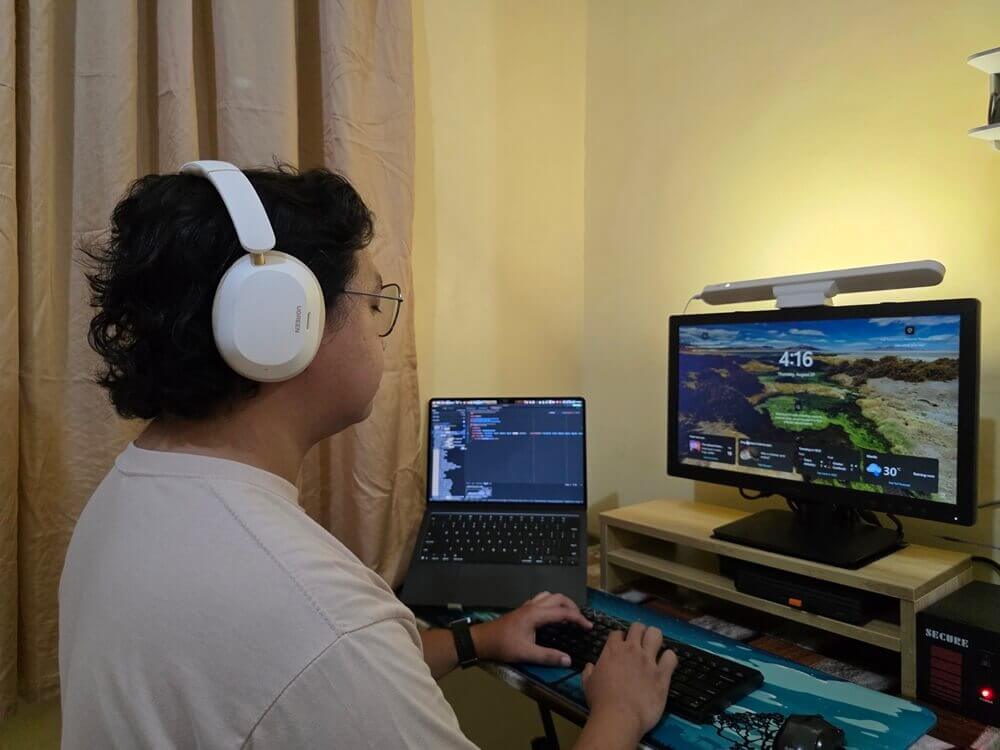
Gaining Leverage in an Unfamiliar Environment
Human Resources
Employee Relations
How do you use AI in your personal life?
Julz Hubilla
Senior Systems Engineer - I
I use AI in my personal life mostly as a tool for learning, brainstorming, and making everyday tasks more convenient. Whenever I come across a topic I’m unfamiliar with, I can use it to get a quick explanation, ask follow-up questions, or explore different perspectives. I also use it to organize ideas, improve my writing, and help me plan things more efficiently. What I appreciate most is that it makes learning and exploring new ideas much more accessible without having to start from scratch every time.
Human Resources
Employee Relations
As someone who has been in the development field for a few years now, how has being on the backend of AI tools affect the way you interact with it outside of the workplace?
Julz Hubilla
Senior Systems Engineer - I
Working with AI from the development side has made me more aware of what happens behind the scenes, and that has changed how I interact with it outside of work. I’m more critical of its responses and make it a point to verify important information rather than accepting everything at face value. At the same time, understanding its capabilities and limitations has made me more comfortable experimenting with it. I see it less as an all-knowing source of information and more as a powerful assistant whose usefulness depends on how thoughtfully we use it.
Human Resources
Employee Relations
Personally, what do you think is its best use cases, both at work and in your personal life?
Julz Hubilla
Senior Systems Engineer - I
I think AI is at its best when it helps reduce repetitive work, accelerate problem-solving, and make information easier to understand. At work, I find it particularly useful for things like debugging, documentation, brainstorming, testing, and exploring different approaches to a problem. In my personal life, I find it most valuable for learning, organizing ideas, planning, and simply helping me get from an initial idea to something more concrete.
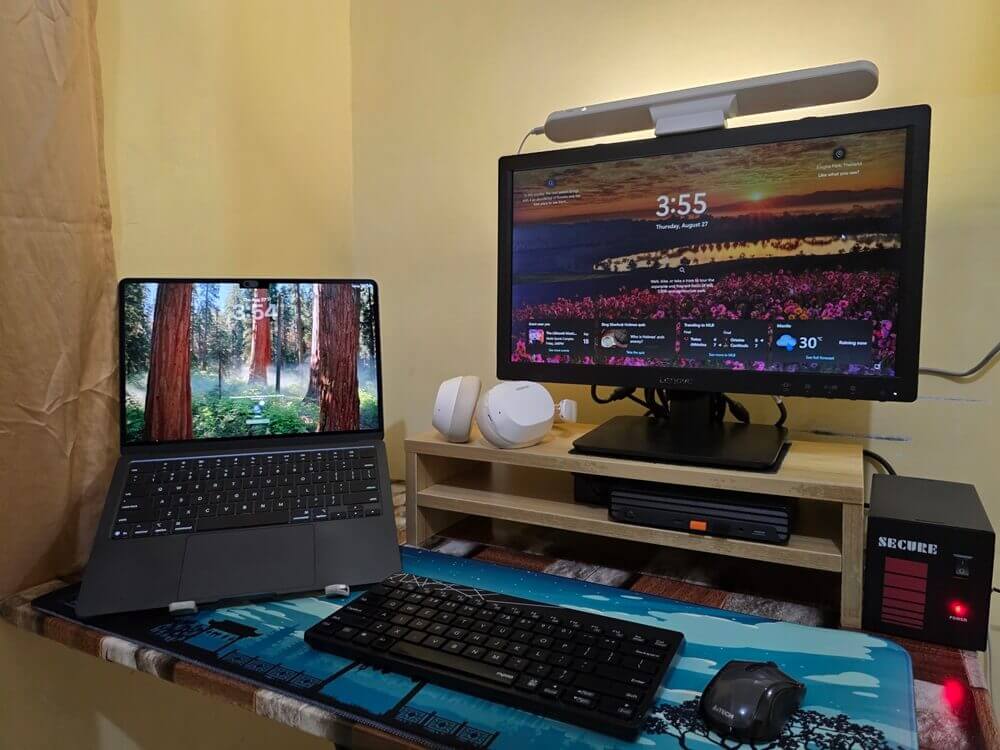
Finding Value in the Experience
Human Resources
Employee Relations
How do you think can AI be meaningful and value-adding to its users?
Julz Hubilla
Senior Systems Engineer - I
I think AI becomes truly valuable when it helps people do things they couldn’t do as easily before, whether that means learning something new, solving a problem, or simply saving time on repetitive tasks. For me, one of the best ways to use AI is as a thinking partner—giving it enough context, asking follow-up questions, and refining the results instead of simply accepting the first answer. At the same time, we need to remember that AI can be wrong, so important information should still be verified and confidential or personal information should be handled carefully. Ultimately, the goal should be to use AI to enhance our own abilities and judgment, not replace them.
Human Resources
Employee Relations
What advice would you give to up and coming developers who would like to learn more about AI in this field?
Julz Hubilla
Senior Systems Engineer - I
Start with strong fundamentals in software development, then learn about AI by actually experimenting with it and building things. Don’t be afraid to use AI as a learning partner, but make sure you understand the code and concepts behind the solutions it gives you. Most importantly, stay curious and keep experimenting—AI is evolving quickly, and the ability to learn and adapt will be just as important as knowing any particular tool.